
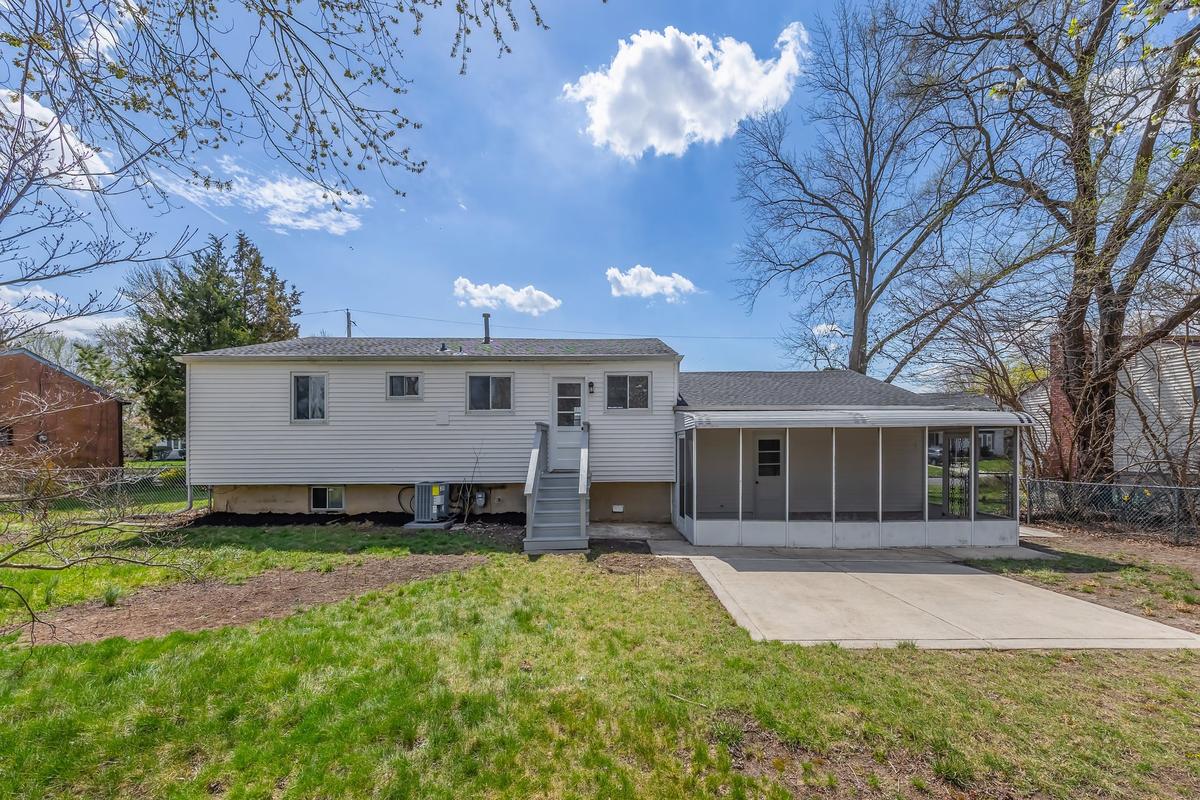
An estate purchase by Northbound Home Buyers in Williamstown, Gloucester County, NJ, shown after the work was finished.
📋 In This Article
Your mother has died, her house in Gloucester County is sitting empty, and you have been named executor. The tax bill is due, the neighbor is asking about the lawn, and a cousin wants to know when the house will sell. Can you even sell it while the estate is open?
In most New Jersey estates, yes. Selling a house in probate here is usually simpler than people fear, because a judge does not normally oversee the sale. The hard parts are narrower: getting the right paper from the county Surrogate, knowing whether the will changes your authority, and keeping the house safe while the sale comes together. This guide walks through each one for families in Camden, Gloucester, Burlington, Salem, Cumberland, Atlantic and Cape May counties.
Start With the Deed, Not the Will
Pull the recorded deed before anything else. How the person held title decides whether the house is part of the estate at all.
- Sole owner, or a share held as a tenant in common: that interest goes through the estate, and this guide applies.
- Married couple as tenants by the entirety: the house passes to the surviving spouse outside the estate.
- Joint tenants with a right of survivorship: the surviving owner generally takes the house without letters, though tax paperwork may still apply.
If the deed is old or the wording is unclear, have the estate attorney or a title company read it. New Jersey law says a person's property passes at death to the people named in the will, or to the heirs if there is no will, subject to creditors' rights and to administration (N.J.S.A. 3B:1-3). That last phrase is why being named in the will does not let you sign a deed by yourself. Someone has to be appointed first.
Executor or Administrator: Which Letters You Need
The appointment comes from the Surrogate in the county where the person lived. Unless someone contests it, the matter is handled in the Surrogate's office rather than in front of a judge. The Camden County Surrogate says probate and the issuing of letters happen only after the 11th day following the death, so nothing can start in the first days no matter how urgent the house feels.
| There is a will | There is no will | |
|---|---|---|
| Who serves | The executor the will names | The surviving spouse or domestic partner first, then the other heirs. If they do not claim it within 40 days of the death, the court or Surrogate may appoint another fit person (N.J.S.A. 3B:10-2) |
| The document | Letters Testamentary | Letters of Administration |
| What to bring | The original will and a death certificate | Proof of death, a list of assets, an estimate of debts and taxes, and the names and addresses of the next of kin |
| Other heirs | Within 60 days of probate, the executor mails a copy of the will and notice of the probate to the people entitled to it | An applicant who is not first in line files a renunciation from, or proof of notice to, anyone with an equal or earlier right |
| Bond | Generally none for a New Jersey executor named in the will, though the law requires one in some cases, such as a nonresident executor when the will does not waive it | Usually required, in an amount tied to the estate. A main exception is a surviving spouse who receives the entire estate (N.J.S.A. 3B:15-1) |
South Jersey's offices are not all at the county courthouse, so check before you drive. The New Jersey Courts' roster, updated in September 2026, lists them here:
- Camden County Surrogate: Blackwood. The office has moved to 509 Lakeland Road, and the county says in-person visits are by appointment only.
- Gloucester County Surrogate: Woodbury
- Burlington County Surrogate: Mount Holly
- Salem County Surrogate: Salem, also by appointment for estates
- Cumberland County Surrogate: Bridgeton
- Atlantic County Surrogate: Mays Landing
- Cape May County Surrogate: Cape May Court House
Call the office first to ask about appointments, fees and what to bring.
Where the Power to Sell Comes From
Many executors assume they need a court order to sell. Ordinarily they do not. N.J.S.A. 3B:14-23 gives every fiduciary, executor and administrator alike, the power to sell estate property at public or private sale on the terms they judge most advantageous to the people interested in it. They must act in good faith and with reasonable discretion. The same section covers signing the contracts and deeds a sale needs.
That default has limits, and they are the first thing to check:
| What the paperwork says | What it means for the sale |
|---|---|
| The house falls into the general estate ("everything to my three children") | The statutory power of sale applies |
| The will leaves this house to a named person | The statute carves out property "specifically disposed of," so have the attorney confirm who can convey it. Expect that person to be part of any sale |
| The will or a court order restricts or conditions a sale | Those limits control over the default power |
| There is no will | The administrator holds the same statutory power once the letters issue |
| Two executors are serving | Plan on both signing. The statute's majority rule starts at three or more fiduciaries, and even then the title company may want everyone |
Before letters issue, nobody holds these powers. Do not sign a listing agreement or a sale contract on the strength of being named in the will. Finding out what the house is worth is fine, and a written number can help the family plan.
When the Heirs Have a Say
The statute does not make heir consent a condition of an ordinary sale. In practice, the heirs can still matter in three ways.
The title company may ask for them. Some New Jersey real estate practitioners report that title underwriters often want known heirs to sign on, especially in estates with no will, to protect the policy against a later challenge. That is an underwriting rule and not a statute, and it varies by company. Ask at the very start, because one heir who will not sign is far easier to deal with before there is a buyer waiting.
The sale can be attacked if it looks unfair. Good faith and reasonable discretion are the standard, so keep your reasoning on paper. An appraisal or more than one written valuation shows how you arrived at the price, and it answers the sibling who later says the house went too cheap.
Conflicts of interest change the rules. Under N.J.S.A. 3B:14-36, a sale to the fiduciary, or to their spouse, agent or attorney, or to a company or trust they have a substantial interest in, can be voided by any interested person who did not consent after fair disclosure. The exceptions are a will or contract by the decedent that expressly authorized it, or court approval after notice. If you or your spouse want to buy the house, talk to a lawyer before you make an offer.
If someone contests the will or challenges who should serve, the matter leaves the Surrogate and goes to the Superior Court, Chancery Division, Probate Part. A sale may then have to wait or need the judge's approval. If the dispute is among the siblings themselves, read our guide to what happens when siblings disagree over an inherited house.
The Order That Keeps a Probate Sale Moving
- Protect the house. Make sure it is locked, check the insurance, and find the mortgage and tax bills. All of this can start while you wait for the letters.
- Get the letters. Ask the Surrogate for enough certified copies, since the title company and the banks will each want one.
- Read the will against the table above. Confirm your authority over this particular house.
- Open an estate bank account. Carrying costs go out of it and the sale proceeds come into it.
- Start the inheritance tax paperwork early. The title company will want the state's lien released, and the route depends on who inherits. Our guide to the New Jersey inheritance tax waiver explains both paths.
- Call a title company before you pick a buyer. Ask what its underwriter will require on this estate, including any heir signatures.
- Price it, contract it, close it. You sign the deed as fiduciary. The estate also completes a state GIT/REP form to record the deed: a New Jersey estate uses the GIT/REP-3, and a nonresident estate uses the GIT/REP-1 or GIT/REP-2 unless an exemption on the GIT/REP-3 applies.
Closing on the house does not mean the money can go straight to the family. Under N.J.S.A. 3B:22-4, creditors have nine months from the death to present claims, and debts and taxes come ahead of the heirs. Ask the attorney how much to hold back. Our guide to selling an inherited house in New Jersey goes into that timing and how proceeds get divided, and our breakdown of New Jersey seller closing costs shows what comes off the top at the table.
Cleaning Out and Carrying the House
This stretch is where estates quietly lose money. The statute lets the fiduciary take possession, pay taxes and mortgage interest, keep insurance in force, and repair the property to preserve it or make it saleable. It is also your responsibility, so treat these as day-one items:
- Insurance. Tell the carrier about the death as soon as you can, and get an answer in writing on how the policy treats an empty house. Many homeowner policies cut back coverage once a house has been vacant for a set time, often 30 to 60 days, and New Jersey courts have enforced those clauses. You may need a vacancy endorsement or a separate policy.
- Heat and water. Going into a South Jersey winter, a house with the heat off can mean burst pipes. Either keep it heated or have a plumber winterize it, and arrange for someone to check on it regularly.
- Mortgage and taxes. Tell the servicer about the death and keep paying from estate funds where you can. A reverse mortgage has its own deadlines, which start running at the death.
- Contents. Photograph the rooms before anything leaves the house. Read the will for specific gifts, and save anything that looks like financial or legal paperwork. Nothing should be sold or handed out until you hold your letters and the family knows the plan.
- Records. Pay from the estate account and keep every receipt. You may have to account to the beneficiaries for all of it.
Listing It or Selling It for Cash
Both routes work in probate, and the law does not favor one. Your job is to make the choice you can defend to the beneficiaries.
| List with an agent | Sell to a cash buyer | |
|---|---|---|
| Price | Usually the higher sale price, especially for a house in good shape | Below full retail value, since the buyer takes on the repairs and risk |
| Condition | You may need to clean out and repair it, using estate funds, to attract buyers and pass inspections | Sold as-is, and contents can stay |
| Costs | Agent commission, plus carrying costs while it is on the market | No commission, and carrying costs stop sooner |
| Certainty | A buyer's mortgage or inspection can end the deal, and the clock restarts | No loan contingency, though it still has to clear title and the waiver |
| Best fit | A well-kept house, cash on hand, and no rush | A dated or damaged house, heirs out of state, or an estate short on cash |
If you are weighing the two, get a number from each side. A local agent's pricing opinion next to a written cash offer gives you the comparison the beneficiaries will ask about. Our comparison page lays out the trade-offs, and we also cover selling a house as-is in South Jersey.
We buy estate houses from families across the region, including Cherry Hill, Woodbury and Millville. Our title company works with your estate attorney, and we set the closing date around your letters and the waiver. The Williamstown estate we bought in Gloucester County is one example. To see how that process runs for executors, read how we help families sell an inherited house in South Jersey.
The Bottom Line
A New Jersey estate does not have to be finished before the house can sell. Check how the house was titled, get your letters from the Surrogate in the county where the person lived, and confirm the will does not change your authority. Then bring in the title company early, keep the house insured and heated, and document how you reached the price.
When you want a figure to work with, call Northbound Home Buyers at (856) 226-4289 or request a written cash offer on the estate house. You are under no obligation to take it. More answers are on our FAQ page.
This article is general information, not legal or tax advice. Estates differ, and statutes, court rules and office procedures can change, so confirm your situation with a New Jersey estate attorney. Statutes and Surrogate details above were checked in November 2026.