
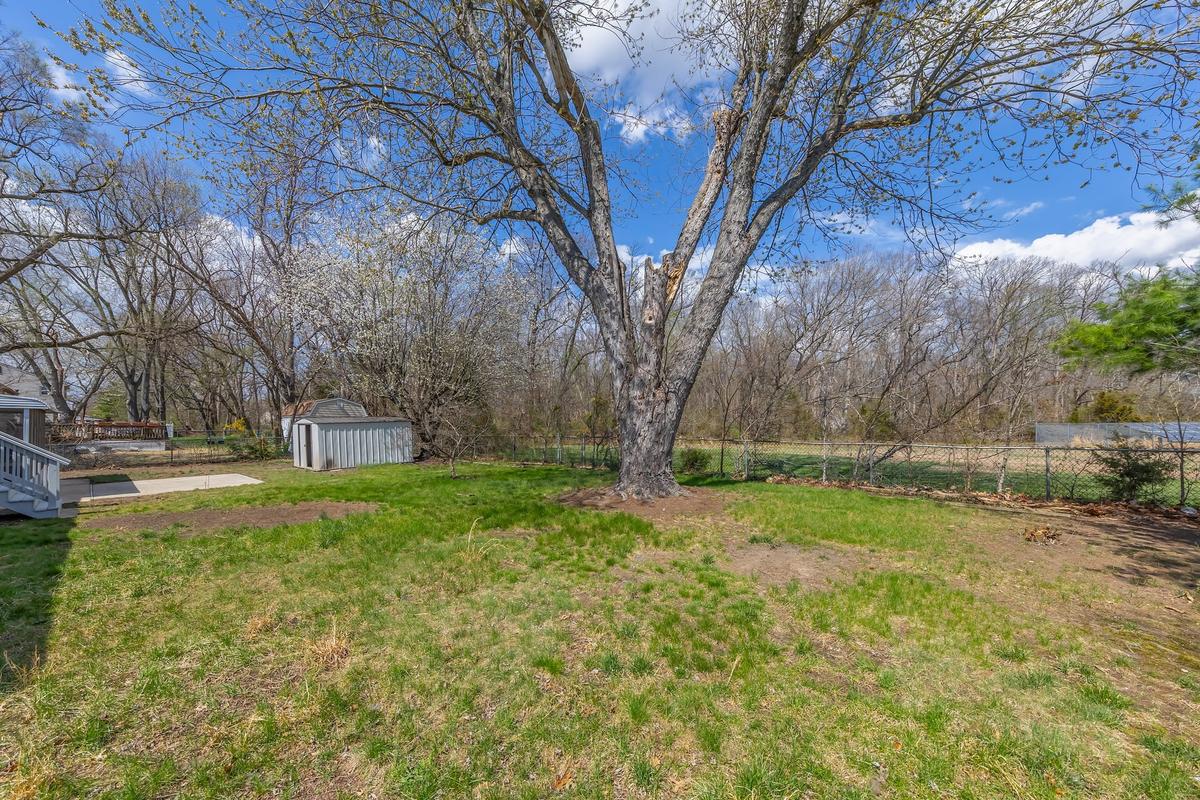
An estate purchase by Northbound Home Buyers in Williamstown, Gloucester County, NJ.
📋 In This Article
The phone call usually comes a few weeks after the funeral. Or it is a letter addressed to "the estate of" your mother or father, from a loan servicer you have never heard of, saying the mortgage on the house is now due and payable. That is how a lot of South Jersey families find out the house they just inherited had a reverse mortgage on it.
It is a common situation here. Plenty of long-time owners in places like Cherry Hill, Voorhees and Williamstown used a reverse mortgage to stay in a paid-off house through retirement. When the last borrower dies, the loan comes due, and the heirs are suddenly working two clocks at once: the lender's deadlines and New Jersey's probate process. This guide explains how the federal rules for the most common type of reverse mortgage work, where New Jersey's estate paperwork fits in, and what your realistic options are.
What Happens to a Reverse Mortgage When the Owner Dies
Almost every reverse mortgage in the country is a Home Equity Conversion Mortgage (HECM), insured by the Federal Housing Administration. A HECM lets an older homeowner draw on their equity without making monthly payments. Interest and mortgage insurance are added to the balance instead, so the amount owed grows every month the loan is open.
HUD's own guide for heirs spells out when the loan ends: it becomes due and payable when the borrower sells the home, stops living there as a primary residence, or when the last surviving borrower dies. At that point no more money can be drawn from the loan. Everything that follows is about how the balance gets paid back, and the only real source of repayment is the house.
Two points to settle before anything else:
- Was there a surviving spouse who was not on the loan? HUD has special protections for an eligible non-borrowing spouse that can postpone repayment and let them stay in the house for life. They have to give the lender a Non-Borrowing Spouse Certification within 30 days of the last borrower's death, among other requirements. If this applies to your family, call the servicer before you do anything else.
- Is it actually a HECM? A small number of reverse mortgages are private "proprietary" loans that are not FHA-insured. The rules below are HUD's, so confirm the loan type with the servicer. It will be on the original closing papers and the servicer's statements.
The Deadlines Heirs Actually Face
The federal regulation that governs this, 24 CFR 206.125, sets out the sequence. After notifying HUD, the servicer sends a due-and-payable notice to the estate and heirs, and gives them 30 days from the date of that notice to choose one of these paths:
- Pay the loan off in full, including accrued interest, mortgage insurance and anything the lender advanced.
- Sell the property for at least the amount HUD sets, which can be no more than 95% of the appraised value, with the net proceeds going to the loan.
- Give the lender a deed in lieu of foreclosure, handing the house back instead of selling it.
Thirty days is not much time when the will has not even been probated, and most families cannot close a sale in a month. In practice, that first deadline is about responding. HUD's heir guide says the lender may approve 90-day extensions when the estate or heirs document that they are actively trying to sell the house or repay the loan, and families who stay in contact usually get that time. Families who ignore the letters do not.
The outer limit is the foreclosure rule. The servicer must start foreclosure within six months of the due date unless HUD approves additional time. In New Jersey, that means a court case, since every foreclosure here runs through the Superior Court. Our New Jersey foreclosure timeline explains what that process looks like once it starts. The point of the extensions is to sell before you get there.
Keep paying the taxes and insurance
HUD is explicit that property taxes and homeowners insurance remain the responsibility of the borrower's estate until title is transferred. A lapsed insurance policy on a vacant house, or a missed quarterly tax bill, is the fastest way to turn a manageable estate sale into a problem. If the house is sitting empty, tell the insurance company. Many standard policies restrict coverage on vacant homes.
If the House Is Worth Less Than the Loan
This is the part most families do not know, and it is the most important. A HECM is a non-recourse loan. Under HUD's rules (24 CFR 206.27), the borrower has no personal liability for the loan balance, the lender can collect only through the sale of the property, and it cannot get a deficiency judgment. FHA's mortgage insurance covers the shortfall. The heirs do not.
So if your parent's loan balance has grown to $310,000 on a house that appraises at $260,000, nobody in the family owes the missing $50,000. What HUD allows instead is a sale for at least 95% of the appraised value. HUD's heir guide says that when the balance is more than the home is worth, the estate or heirs may sell for at least 95% of the current appraised value and the lender will accept the net proceeds as satisfaction of the loan.
A few mechanics matter here:
- The appraisal. The servicer orders an appraisal from an FHA-roster appraiser within 30 days of a request tied to a potential sale. When the loan is due and payable, the lender pays for it up front and is reimbursed from the sale proceeds.
- Closing costs are capped. On a sale under this rule, the regulation limits closing costs to the greater of 11% of the sale price or a fixed amount HUD publishes.
- "Sale" includes the family. HUD treats any post-death transfer as a sale. Heirs who want to keep the house generally have the same 95% option available. Confirm the exact payoff figure with the servicer, and expect to need your own financing to cover it.
If the house is worth more than the loan, which is common with an older loan on a house that has appreciated, the math is simpler. You sell, the lender is paid in full at closing, and the remaining equity goes to the estate like any other asset.
Where New Jersey Probate Fits In
The lender's clock does not wait for the estate, but nobody can sign a deed on a house still in the deceased owner's name without legal authority. In New Jersey that authority comes from the county Surrogate: Letters Testamentary if there is a will, or Letters of Administration if there is not. New Jersey will not admit a will to probate until ten days after the death, so start this early. Our full guide to selling an inherited house in New Jersey walks through the Surrogate's Court step by step, with contacts for each South Jersey county.
The second piece of New Jersey paperwork is the inheritance tax waiver. The title company will want it before the house can be sold. When every beneficiary is in Class A (a spouse or civil union partner, children and grandchildren, parents or grandparents, or stepchildren), the executor or administrator can usually use Form L-9, the Affidavit for Real Property Tax Waiver, instead of a full tax return. The Division of Taxation's instructions say the form must include the will, the deed, the Letters and the death certificate. It is mailed to the Division, not filed with the County Clerk. Two exceptions are worth knowing:
- If the house was owned by a married couple as tenants by the entirety and the spouse survives, no waiver is needed for that property.
- The L-9 cannot be used if any asset worth $500 or more goes to someone outside Class A, such as a sibling, niece or friend, or if a trust created by the will could trigger tax. That estate needs a return, which takes longer. Raise it with the estate's attorney on day one.
Put the two processes side by side and the bottleneck is obvious. The Letters and the waiver are what let you sell, and the lender's extensions are what give you time to sell. Send the servicer copies of the Letters and any signed contract as soon as you have them. That documentation is what an extension request is built on.
Your Options, Side by Side
| Option | Best when | What to watch |
|---|---|---|
| Pay off and keep the house | A family member wants to live there and can qualify for a new mortgage | The payoff is the full balance, or 95% of appraised value if the loan is underwater. Financing has to close inside the lender's timeline. |
| List with an agent | Real equity above the loan, the house is in good shape, and the estate has time and cash to carry it | Taxes, insurance and utilities keep running. A financed buyer's inspection and appraisal can stretch past an extension. |
| Sell as-is for cash | The house needs work, the heirs are out of state, or the deadlines are tight | The offer will be below full retail value. On an underwater loan the price still has to meet HUD's 95% floor. |
| Deed in lieu | The house is clearly underwater and nobody wants to manage a sale | The estate receives nothing. HUD's rules allow a "cash for keys" incentive, reimbursed up to $3,000, when the deed is given within six months of the due date. |
The deed-in-lieu route is underrated when there is truly no equity. It costs the family nothing, it ends the tax and insurance bills, and it avoids a foreclosure case. But if there is any chance the house is worth more than the balance, get a number before you hand it back.
How a Cash Sale Fits
We buy inherited houses across South Jersey, and reverse-mortgage estates are a good fit for the way we work. We can give the executor a written offer quickly, which is the document a servicer wants to see when you ask for an extension. We buy as-is, so nobody has to clean out a lifetime of belongings or fix anything before closing. And we coordinate the payoff with the servicer through our title company, so the lender is paid at the settlement table.
Our Williamstown estate purchase is a typical example: heirs, many of them out of state, with a Gloucester County house full of decades of belongings that no financed buyer could take. Our offer is below full retail value, and our comparison page lays out that trade-off honestly. If the loan is underwater, we will tell you straight away whether our number clears HUD's 95% floor. If it does not, a cash sale is not the right answer and we will say so. You can read more about how we handle estates on our inherited house page, see the math on selling as-is in South Jersey, or check what a sale costs in our NJ seller closing costs guide.
The Bottom Line
A reverse mortgage does not take the house away from the family, and it does not leave the heirs owing the bank. What it does is start a clock. Answer the due-and-payable notice within 30 days, open the estate at the Surrogate's office, keep the taxes and insurance paid, and ask for extensions in writing with proof you are working on a sale. If the house is underwater, remember the 95% rule and that nobody in the family is personally on the hook.
If you want to know where you stand, call Northbound Home Buyers at (856) 226-4289. We will tell you what the house would sell for as it stands and how that compares with the loan balance, with no obligation. More answers are in our FAQ, and you can see everywhere we buy on our locations page.
This article is general information, not legal or tax advice. Reverse mortgage terms, estate facts and HUD guidance vary, so confirm your deadlines with the loan servicer and talk to a New Jersey estate attorney about your situation. HUD's FHA Resource Center (1-800-225-5342) can answer general questions about HECM rules.